

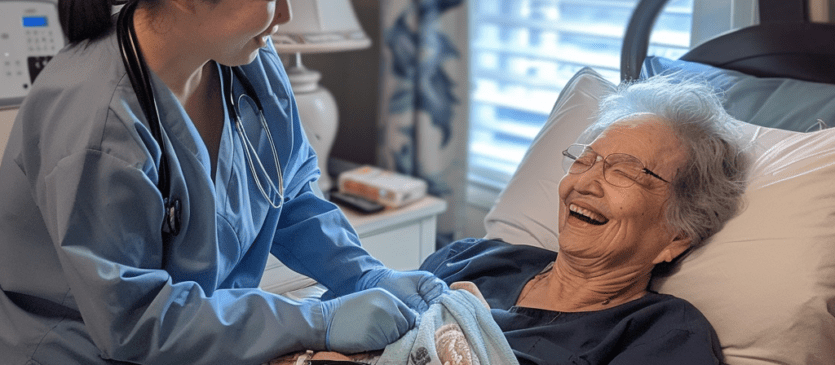
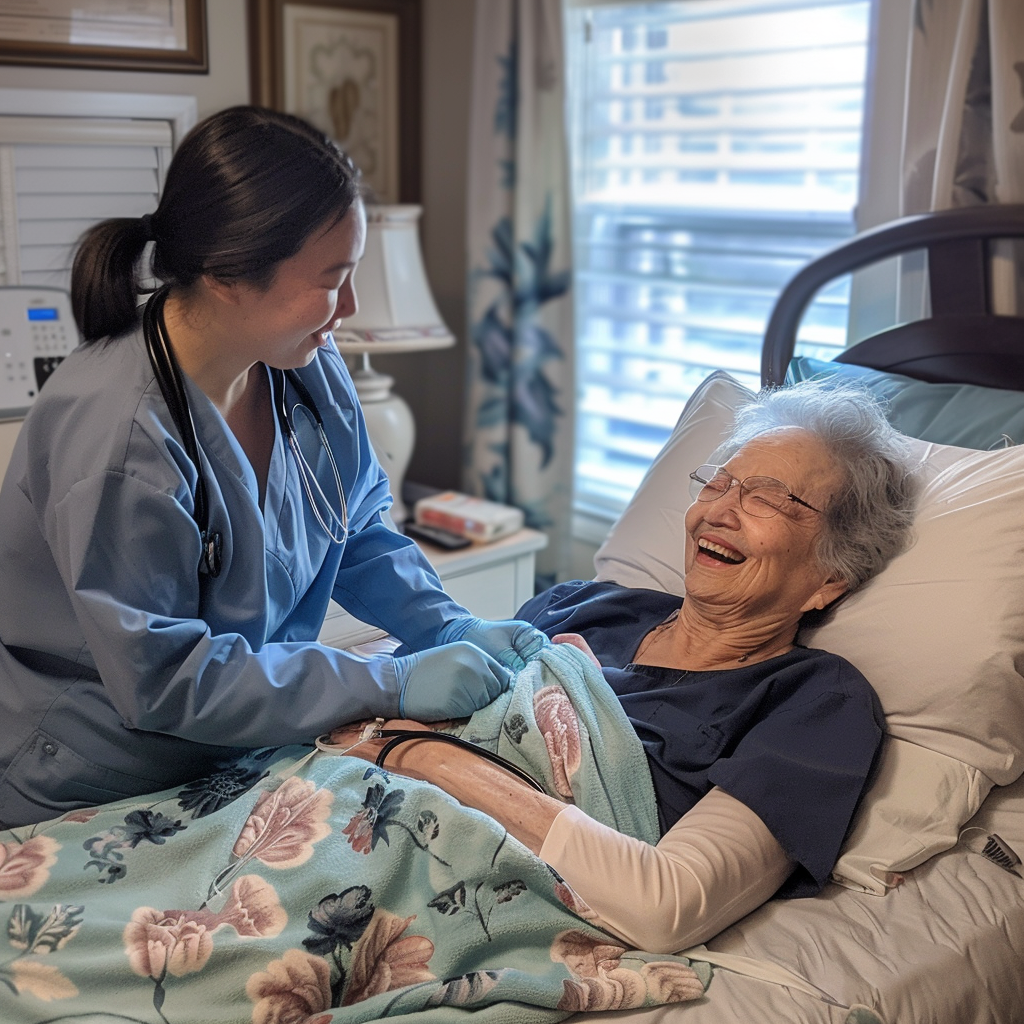
Imagine waking up in your favorite bedroom instead of a hospital ward. Sunlight filters through the curtains, the smell of fresh coffee drifts down the hall, and a licensed nurse greets you by name at the door. That’s the everyday reality skilled nursing at home makes possible. Today, we’ll walk through a typical day to show how the Health Watch team helps you stay safe, comfortable, and—most important—independent.
What Skilled Nursing at Home Means for You
Skilled nursing is clinical care delivered by registered or licensed practical nurses under a physician’s direction. At Health Watch, that can include cardiac health monitoring, diabetic management, advanced wound care, IV therapy, and post-operative support, all tailored to your doctor’s orders and personal goals (healthwatchutah.com). Unlike a non-medical caregiver who focuses on housekeeping or companionship, a skilled nurse brings hospital-level expertise straight to your living room. The result is comprehensive care that lets you stay where you heal best—home.
Morning: Vital Checks and Personalized Care Plans
Around 8 a.m., your nurse arrives with a warm greeting and a portable case of medical tools. First order of business: check vitals—blood pressure, heart rate, temperature, oxygen saturation. If you manage diabetes, a quick glucose reading guides your breakfast plan. Next comes medications. Your nurse verifies dosages, answers questions, and notes any side effects you mention. A surgical dressing might need refreshing; a chronic wound might need debridement and a new advanced dressing.
Because these assessments happen daily, small issues get resolved before they blossom into hospital-sized problems. You enjoy peace of mind, and family members can head to work knowing a professional has already checked on you.
Mid-Day: Coordinating Therapies and Technology
By late morning, collaboration kicks in. Skilled nursing rarely works alone. Physical, occupational, or speech therapists—also part of the Health Watch service menu—may stop by to continue your recovery program (healthwatchutah.com). The nurse coordinates with them, ensuring pain is under control before exercises begin and updating your shared care plan afterward.
Technology plays a role, too. Remote cardiac monitors upload data to secure portals so your cardiologist can review rhythms in real time. Your nurse walks you through how to read device alerts and encourages questions. Education isn’t an afterthought; it’s a core therapy. When you understand your condition, you become an active partner in your own health journey.
Afternoon: Specialized Treatments That Speed Healing
Skilled nursing shines brightest when needs grow complex. Picture an afternoon IV antibiotic infusion to beat a stubborn infection or a cardiac monitoring session after lunch. Maybe it’s time for diabetic foot checks to catch tiny sores before they escalate. Health Watch nurses are trained in these advanced techniques and stay in close contact with wound clinics and hyperbaric centers when needed (healthwatchutah.com).
Consider Claire, a fictional 78-year-old recovering from hip surgery. Instead of a long rehab stay, she opted for at-home skilled nursing. Daily movement drills with her therapist, plus precise pain-med timing from her nurse, helped her climb the porch steps within two weeks. Claire’s story echoes what many Utah families experience: quicker functional gains without sacrificing the comfort of home.
Evening: Family Peace of Mind and 24/7 Availability
As dinner approaches, your nurse files electronic chart notes that all team members can access, then reviews the day’s achievements with you and any family present. Perhaps tonight’s task is teaching a son how to set up a pill organizer, or showing a spouse how to spot early signs of fluid retention. Education turns households into support hubs.
Before leaving, the nurse reminds everyone of Health Watch’s on-call line, staffed round the clock for urgent questions (healthwatchutah.com). Knowing professional help is just a call away means fewer late-night emergency-room visits and less stress for caregivers.
Five Ways Skilled Nursing at Home Supports Your Independence
- Prevents Readmissions
Continuous monitoring and prompt interventions stop small issues from requiring hospital stays. - Manages Chronic Conditions Proactively
Regular assessments adjust medications and habits before complications arise. - Accelerates Surgical Recovery
Coordinated pain control and mobility exercises happen in the comfort of your living room. - Empowers Through Education
Nurses teach you and your loved ones practical skills, reducing reliance on outside help. - Keeps You in Your Community
Staying home lets you keep neighborhood routines, church attendance, and favorite hobbies intact.
Why Choose Health Watch
Skilled nursing exists across Utah, but our locally based, multidisciplinary team has earned a reputation as one of the best options in Utah County (healthwatchutah.com). Health Watch serves Salt Lake, Davis, and Utah counties, so you never have to choose between top-tier care and staying close to family (healthwatchutah.com). By integrating nursing, therapy, and social services, we offer seamless support throughout your healthcare journey.
Ready to Take the Next Step?
Your path to greater independence starts with a conversation. Call 801-226-2992, email info@healthwatchutah.com, or click the “Request Appointment” button at the top of this page to arrange a complimentary in-home assessment (healthwatchutah.com). Together, we’ll craft a care plan that keeps you safe, confident, and exactly where you belong—home.
Because health is personal, and home is powerful.
 © Health Watch Utah |

Recent Comments